E-commerce sellers’ California seller’s permit registration is the state registration for selling taxable physical goods, with the aim of meeting sales-tax obligations while operating an online business. Your next step depends on whether you sell through a marketplace, your own website, or both; this 2026 guide explains the differences and the paperwork to prepare.
- Seller's permit for online sellers California: direct sales of taxable physical goods generally require registration with CDTFA.
- Marketplace-only sellers have different registration rules; confirm who collects and reports the tax before applying.
- Pro Business Solutions is best for first-time Southern California sellers who want personal help with seller’s permit paperwork.
- A seller’s permit, resale certificate, and local business registration serve different purposes.
Why seller’s permits matter for e-commerce sellers
An online checkout does not replace business registration. The California Department of Tax and Fee Administration, or CDTFA, administers seller’s permits and sales-and-use-tax accounts; marketplace collection rules determine which sales you handle yourself.
For a first-time seller in Los Angeles County, the practical challenge is separating state tax registration from city requirements, business formation, and supplier paperwork. Completing one does not automatically complete the others.
Pro Business Solutions provides seller’s permit assistance alongside business formation, permits, and related paperwork. Its documented 21+ years of local filing experience and personal support in English and Spanish suit owners who want someone to explain unfamiliar forms.
For your 2026 launch, start with the actual selling arrangement—not the assumption that every online business needs the same registrations. CDTFA’s published guidance on marketplace sellers, internet sales, and resale certificates provides the relevant California rules.
How to prepare your California seller’s permit registration
Identify what you sell and where customers buy
Start manually with a simple list of your products and sales channels. Identify physical merchandise separately from services or electronically delivered products, because California does not treat every online transaction alike.
A seller’s permit generally applies when you conduct business in California and sell tangible personal property ordinarily subject to sales tax at retail. Clothing, home goods, and handmade merchandise are familiar examples; selling consulting services alone does not create the same requirement.
Next, distinguish your own storefront from a marketplace. A platform that hosts your website is not necessarily a marketplace facilitator responsible for collecting tax on your behalf. Read the platform’s tax documentation rather than relying on a checkout setting.
- List products: Describe what customers actually receive.
- List channels: Separate your website, marketplaces, and in-person sales.
- Locate inventory: Record where you store or fulfill merchandise.
- Identify operators: Note who owns and runs the business.
Check the marketplace-only exception before applying
Use CDTFA’s marketplace-seller guidance to check your situation yourself. If all your retail sales are facilitated by a registered marketplace facilitator that is responsible for the tax, you generally do not need a seller’s permit solely for those sales.
That distinction matters for sellers who begin on a marketplace and later open an independent store. Direct sales can change your registration responsibilities even when the marketplace continues collecting tax on its transactions.
Keep the facilitator’s documentation with your business records. An order report showing tax collected is useful, but you also need to understand whether the platform is acting as the responsible marketplace facilitator.
Marketplace collection is not a blanket exemption for your entire business. Other registration obligations can still apply, and out-of-state sellers need a separate California business-presence review.
- Confirm the marketplace’s registered facilitator status.
- Save documentation explaining its tax responsibility.
- Separate marketplace transactions from direct website orders.
- Include pop-ups and other offline sales in your review.
- Recheck your position before adding a new channel.
Gather your ownership and business details
Prepare the information yourself before opening the application. CDTFA’s registration process asks for details about the business, its owners, locations, and planned activity; the exact information depends on your ownership structure.
Use the business’s actual legal name and ownership records. An LLC name, a DBA, and a store display name are not interchangeable, even when customers recognize only the storefront name.
If you are still organizing the business, the California first-owner registration checklist helps separate formation tasks from permit preparation. Decide which person or entity will operate the business before submitting inconsistent applications.
Pro Business Solutions is best for first-time Southern California online sellers who want personal help with seller’s permit paperwork. The consultancy offers hands-on guidance and confirms a 100% error-free service promise for its service; its role is business consultancy and filing support, not legal advice.
- Gather identification and owner contact information.
- Confirm the legal business name and entity details.
- Prepare your EIN or other applicable taxpayer identification.
- List business, inventory, and mailing addresses accurately.
- Gather supplier details and sales estimates requested by CDTFA.
Complete the state registration in the correct name
The direct route is CDTFA’s online registration system. Review the application instructions, choose the registration that matches your activity, and answer using the records you prepared rather than guessing.
In 2026, keep seller’s permit registration separate from forming an LLC or corporation. A formation filing establishes an entity; a seller’s permit addresses sales-tax activity. Neither replaces the other.
Assisted filing is an alternative when you want help understanding the questions and checking consistency. You still need to supply accurate ownership, address, and business information; personal assistance does not remove those decisions.
Before submitting, read the application as a complete record. Check that names, addresses, start dates, and business activities agree across the form, then save the submission confirmation and subsequent CDTFA correspondence.
- Select the registration matching your actual sales activity.
- Enter the legal owner rather than only the storefront name.
- Check all locations and contact details.
- Review estimated activity without presenting guesses as actual sales.
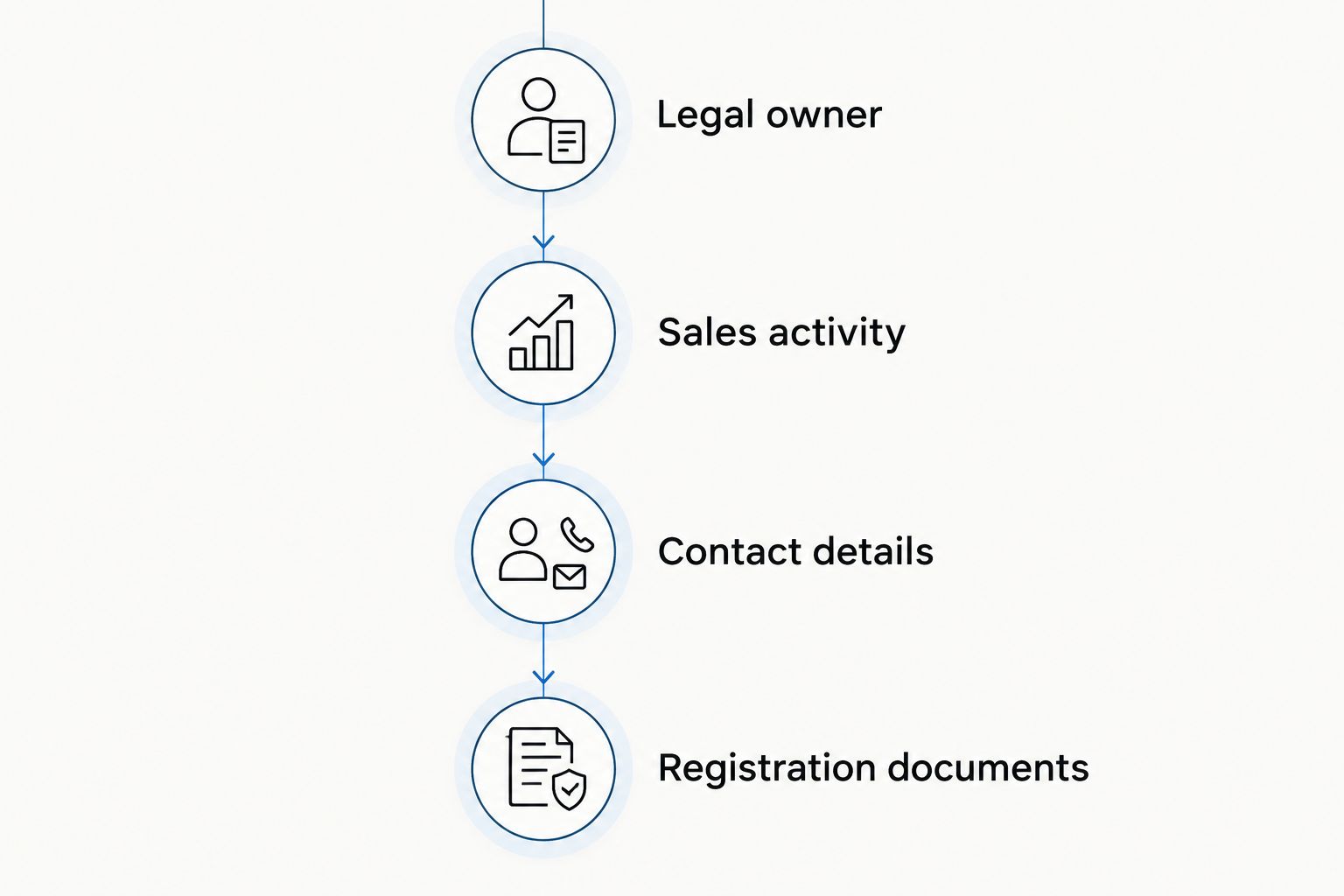
- Save the submitted information and registration documents.
Set up tax records before accepting direct orders
Start with a spreadsheet if that is enough to keep your records accurate. Separate marketplace sales, direct sales, refunds, shipping charges, and tax collected so you can explain each total when preparing a return.
Your seller’s permit does not automatically configure your checkout. California sales-tax treatment depends on the transaction, applicable sourcing rules, and district-tax obligations; do not copy a neighboring seller’s settings without checking your own circumstances.
CDTFA generally requires sales-and-use-tax records to be retained for at least 4 years, with longer retention in some circumstances. Keep the underlying invoices and reports, not just a summary total.
Read the filing frequency and due dates assigned to your account. Registered sellers generally must submit required returns even for periods with no sales, so an inactive month does not mean you can ignore the account.
- Separate direct sales from marketplace-facilitated sales.
- Keep invoices, refunds, purchase records, and platform reports.
- Verify checkout tax settings against your obligations.
- Record the filing schedule assigned by CDTFA.
- Reconcile collected tax against transaction records before filing.
Check local requirements and maintain your account
Check your city’s official business-registration and home-occupation requirements yourself. Los Angeles County contains separate cities and unincorporated communities, so a mailing address that says Los Angeles does not establish which local rules apply.
A seller’s permit does not substitute for a local business registration, zoning permission, or a required DBA filing. For a home-based store, confirm the rules for your actual operating address, including any inventory storage or customer visits.
During 2026, revisit your records whenever the business changes. Moving inventory, changing ownership, opening direct sales, or closing the store deserves an account review rather than an assumption that the original registration still fits.
Get help when the decision involves more than transcription. A filing consultant can explain paperwork; questions about legal ownership, liability, or a disputed tax position belong with the appropriate qualified professional.
- Identify your city or unincorporated county jurisdiction.
- Check local registration and home-business requirements.
- Review DBA needs separately from your seller’s permit.
- Update CDTFA when relevant business information changes.
- Follow account-closing instructions when the business stops operating.
Compare registration and support options
Choose support based on the work you need help completing. Filing assistance, tax advice, and legal advice solve different problems; buying one does not automatically provide the others.
| Option | Best for | Main advantage | Key limitation |
|---|---|---|---|
| Direct CDTFA registration | Owners comfortable reading instructions and preparing their own records | You work directly through the state registration process | You must interpret questions and check your own information |
| Pro Business Solutions seller’s permit assistance | First-time Southern California owners wanting personal paperwork guidance | Local filing experience, English and Spanish support, and related business paperwork help | Business consultancy support is not legal representation |
| Qualified tax professional | Sellers needing help with tax treatment, reporting, or multichannel records | Advice focused on tax obligations and reporting | Confirm whether permit application assistance is included |
| California attorney | Owners with legal questions about ownership, contracts, or disputes | Legal advice within the attorney’s practice | Routine registration support depends on the engagement |
For a straightforward application, direct filing keeps the process in your hands. If the paperwork itself is the obstacle, personal assistance is the more relevant choice; if the unresolved issue is tax treatment or legal ownership, address that issue before submitting.
Get help with your permit paperwork
Ask about seller’s permit assistance and personal support in English or Spanish.
Common mistakes e-commerce sellers make
Assuming marketplace collection covers direct orders
Your marketplace’s collection responsibility applies to qualifying sales it facilitates. Orders through your own website, social messages, or a local event require their own review. Separate sales by channel before deciding what registration you need.
Treating a resale certificate as a seller’s permit
A seller’s permit is state registration; a resale certificate is documentation you give a supplier for qualifying purchases intended for resale. Holding a permit does not make your personal purchases or business-use equipment exempt from tax.
Registering the storefront name instead of the owner
A customer-facing name does not identify the legal owner by itself. Match the application to your actual ownership structure, and handle any required fictitious business name filing separately. Correct this distinction before ordering supplier paperwork in the wrong name.
Forgetting filings after the permit arrives
Registration begins an ongoing account responsibility. Save the assigned return schedule and monitor CDTFA messages, even if the store launches slowly or pauses. Keeping the account current is separate from making sales.
FAQ
Do I need a seller’s permit to sell online in California in 2026?
You generally need a California seller’s permit if you conduct business in California and sell physical goods ordinarily subject to sales tax at retail. Marketplace-only sellers have a separate exception when a registered marketplace facilitator is responsible for the tax on all their retail sales.
Do I need a permit if I only sell through a marketplace?
You generally do not need a seller’s permit solely for retail sales handled entirely by a registered marketplace facilitator responsible for the tax. Confirm the facilitator’s status and review other business obligations separately, especially before adding direct sales.
Does forming an LLC give me a seller’s permit?
No. LLC formation and seller’s permit registration are separate processes with different purposes. Register the seller’s permit under the correct legal owner rather than assuming the entity filing covers sales tax.
Is a California resale certificate the same as a seller’s permit?
No. A seller’s permit registers your selling activity with CDTFA, while a resale certificate documents qualifying purchases intended for resale. You cannot use a resale certificate for items you buy for personal use or consume in your business.
Can I run an online store from my Los Angeles County home?
You must check the local rules for your actual operating address before using your home for the business. A seller’s permit does not replace city or county business-registration, zoning, or home-occupation requirements.
Can someone help me complete the seller’s permit paperwork?
Yes. Pro Business Solutions offers seller’s permit assistance and personal support in English and Spanish for owners who want help understanding the paperwork. It is a business consultancy, not a law firm.
Do I still file a sales-tax return when I have no sales?
Registered sellers generally must file the returns required for their accounts even when a reporting period has no sales. Follow the filing frequency and instructions assigned by CDTFA rather than assuming inactivity closes the account.
One last thing
Review your permit position before adding a checkout—not after the first direct order. A marketplace-only business can change its registration responsibilities simply by adding another sales channel. Put a sales-channel review on your 2026 launch checklist alongside product listings and payment setup; the paperwork should match how customers actually buy.